
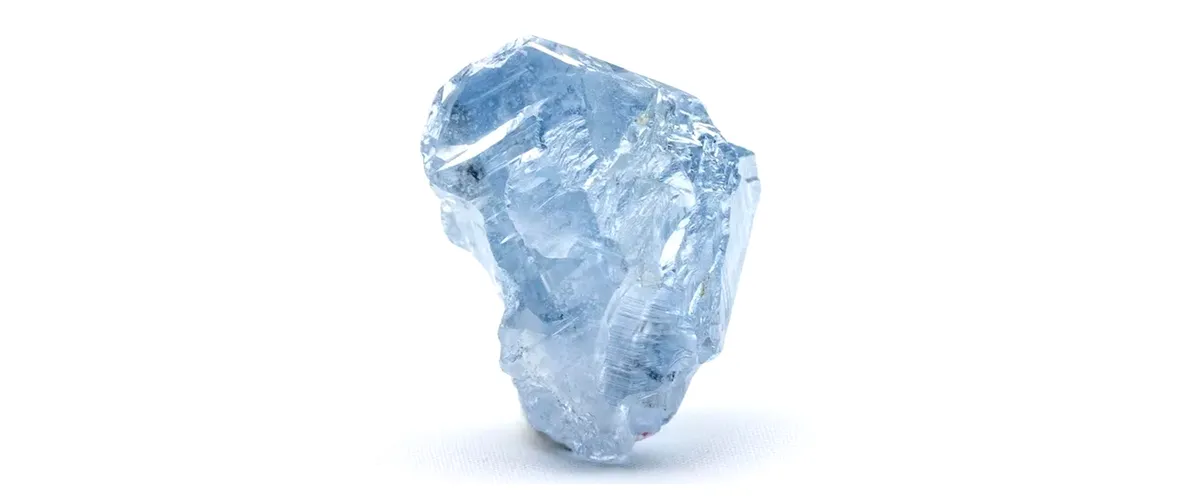
Rare Blue Diamond Discovery
In a discovery that has the gem world buzzing, an exceptional 41.82-carat natural blue diamond was recently unearthed at South Africa’s iconic Cullinan Mine — a site synonymous with some of history’s most legendary diamonds.
This extraordinary find was confirmed by Petra Diamonds, the mine’s operator, and is being described as one of the most significant blue gemstone recoveries in modern times.
The Cullinan Mine: A Legacy of Legendary Diamonds
The Cullinan Mine, originally known as the Premier Mine and located in Gauteng Province, has a long and storied reputation in the world of gemology. It was the source of the 3,106-carat Cullinan Diamond, the largest gem-quality rough diamond ever discovered, parts of which today adorn the British Crown Jewels.
Today’s discovery adds another brilliant chapter to that legacy. The mine continues to produce rare finds, but this blue diamond stands out due to its size, color, and potential market impact.
What Makes This Blue Diamond So Extraordinary?
Natural blue diamonds are among the rarest gemstones on Earth. They fall into the ultra-rare Type IIb classification, meaning they contain trace amounts of boron — a mineral that gives them their captivating blue color. Type IIb diamonds account for less than 0.1 percent of all natural diamonds ever mined, making them prized in both scientific study and the luxury market.
Beyond rarity, the color and clarity produce a depth and saturation that captivates collectors and connoisseurs alike. This particular stone’s seemingly exceptional quality has experts already calling it one of the most important blue diamonds ever found.
From Rough to Ready: The Journey Ahead
The diamond, currently in its rough form, will undergo careful analysis by expert cutters to determine the optimal strategy for cutting and polishing. This meticulous process is crucial: how the stone is cut affects its final weight, color intensity, brilliance, and ultimately its place in history.
Historically, some of the world’s most famous blue diamonds — including the Blue Moon of Josephine and the De Beers Cullinan Blue — achieved their record-breaking valuations only after masterful cutting revealed their true potential.
Anticipation in the Market and Beyond
Industry commentators believe this diamond could eventually fetch tens of millions of dollars at auction, with estimates suggesting values in the region of $30 million to $40 million — though final figures will depend on the stone’s polished outcome and market conditions.
While the global diamond market faces evolving challenges — including pressure from lab-grown alternatives and fluctuations in consumer demand — discoveries like this remind collectors and enthusiasts why natural color diamonds continue to captivate.
A Discovery With Wider Impact
The significance of this find goes beyond luxury jewelry and high-end auctions. Responsible diamond mining contributes meaningfully to local economies through job creation, infrastructure investment, and community development. The Cullinan Mine’s operations emphasize sustainability and local procurement, aiming to support long-term benefits for the region.
What Comes Next
For now, the world watches with excitement as experts study this remarkable blue diamond, determining how best to unlock its full potential. Once polished and released to market, it may very well join the elite ranks of history’s most treasured gemstones.
Source: https://www.naturaldiamonds.com/science-of-diamonds/blue-diamond-discovery-cullinan-mine/?utm_source=chatgpt.com
In a discovery that has the gem world buzzing, an exceptional 41.82-carat natural blue diamond was recently unearthed at South Africa’s iconic Cullinan Mine — a site synonymous with some of history’s most legendary diamonds.
This extraordinary find was confirmed by Petra Diamonds, the mine’s operator, and is being described as one of the most significant blue gemstone recoveries in modern times.
The Cullinan Mine: A Legacy of Legendary Diamonds
The Cullinan Mine, originally known as the Premier Mine and located in Gauteng Province, has a long and storied reputation in the world of gemology. It was the source of the 3,106-carat Cullinan Diamond, the largest gem-quality rough diamond ever discovered, parts of which today adorn the British Crown Jewels.
Today’s discovery adds another brilliant chapter to that legacy. The mine continues to produce rare finds, but this blue diamond stands out due to its size, color, and potential market impact.
What Makes This Blue Diamond So Extraordinary?
Natural blue diamonds are among the rarest gemstones on Earth. They fall into the ultra-rare Type IIb classification, meaning they contain trace amounts of boron — a mineral that gives them their captivating blue color. Type IIb diamonds account for less than 0.1 percent of all natural diamonds ever mined, making them prized in both scientific study and the luxury market.
Beyond rarity, the color and clarity produce a depth and saturation that captivates collectors and connoisseurs alike. This particular stone’s seemingly exceptional quality has experts already calling it one of the most important blue diamonds ever found.
From Rough to Ready: The Journey Ahead
The diamond, currently in its rough form, will undergo careful analysis by expert cutters to determine the optimal strategy for cutting and polishing. This meticulous process is crucial: how the stone is cut affects its final weight, color intensity, brilliance, and ultimately its place in history.
Historically, some of the world’s most famous blue diamonds — including the Blue Moon of Josephine and the De Beers Cullinan Blue — achieved their record-breaking valuations only after masterful cutting revealed their true potential.
Anticipation in the Market and Beyond
Industry commentators believe this diamond could eventually fetch tens of millions of dollars at auction, with estimates suggesting values in the region of $30 million to $40 million — though final figures will depend on the stone’s polished outcome and market conditions.
While the global diamond market faces evolving challenges — including pressure from lab-grown alternatives and fluctuations in consumer demand — discoveries like this remind collectors and enthusiasts why natural color diamonds continue to captivate.
A Discovery With Wider Impact
The significance of this find goes beyond luxury jewelry and high-end auctions. Responsible diamond mining contributes meaningfully to local economies through job creation, infrastructure investment, and community development. The Cullinan Mine’s operations emphasize sustainability and local procurement, aiming to support long-term benefits for the region.
What Comes Next
For now, the world watches with excitement as experts study this remarkable blue diamond, determining how best to unlock its full potential. Once polished and released to market, it may very well join the elite ranks of history’s most treasured gemstones.
Source: https://www.naturaldiamonds.com/science-of-diamonds/blue-diamond-discovery-cullinan-mine/?utm_source=chatgpt.com